
April 17, 2024
teeth whitening
Teeth whitening is one of the most popular cosmetic dental treatments today, especially for patients who want noticeable results without a long commitment. If you’ve ever stood in front of your bathroom mirror holding whitening strips and a toothbrush, wondering which comes first, you’re not alone. This is one of the most common questions our dental team hears from patients here in Sumner and the surrounding Pierce County communities.
The short answer? Timing matters more than you might think—and doing it incorrectly can lead to sensitivity, uneven results, or gum irritation. Let’s break it down in a way that’s practical, easy to follow, and aligned with what dentists actually recommend.
Why Brushing Timing Matters for Whitening Results
Whitening strips work by allowing a peroxide-based gel to sit directly on your tooth enamel. Anything that interferes with that contact—plaque, food debris, or irritated gums—can impact both comfort and effectiveness.
Brushing too aggressively or at the wrong time can temporarily weaken enamel or irritate your gums, making the whitening process uncomfortable. On the other hand, skipping brushing altogether can leave bacteria and residue in the way, reducing results.
So, what’s the sweet spot?
Should You Brush Before Using Whitening Strips?
Yes—but with a little planning.
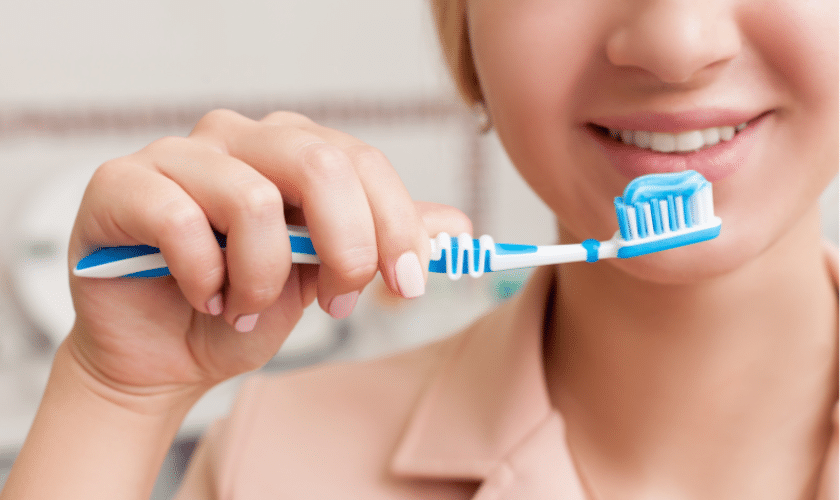
Dentists generally recommend brushing about 30 minutes before applying whitening strips. This gives your enamel time to rehydrate and your gums time to recover from brushing.
Why this works:
- Removes plaque and surface stains, allowing better whitening contact
- Reduces the chance of uneven whitening
- Helps keep bacteria from being sealed against your teeth
What to avoid:
- Brushing immediately before applying strips
- Using a hard-bristled toothbrush
- Whitening or abrasive toothpaste right before treatment
A gentle brush with a soft-bristled toothbrush is ideal. If you’re rushing out the door for work in downtown Sumner or heading home after dinner, just give yourself a short buffer before applying the strips.
Should You Brush After Using Whitening Strips?
Yes—but wait a bit.
After removing whitening strips, your teeth may be temporarily more sensitive. Brushing right away can increase discomfort.
Best practice:
- Rinse your mouth with water after removing the strips
- Wait at least 30 minutes before brushing
- Use a gentle toothpaste formulated for sensitive teeth
This approach protects your enamel and keeps sensitivity at bay—especially helpful if you already experience tooth sensitivity from hot coffee or cold winter air common here in the Pacific Northwest.
Common Mistakes to Avoid
To get the most out of your whitening routine, steer clear of these habits:
- Brushing immediately before or after whitening
- Using abrasive toothpaste on whitening days
- Applying strips on irritated or bleeding gums
- Drinking coffee, tea, or red wine right after whitening
- Overusing whitening products without dental guidance
If you notice lingering sensitivity or patchy results, that’s a sign to pause and consult your dentist.
How Professional Guidance Makes a Difference
While over-the-counter whitening can be effective, it’s not one-size-fits-all. At Sumner Dental Group, we often see patients who tried at-home products and ended up with sensitivity or uneven whitening because of underlying dental issues like enamel erosion, cavities, or gum recession.
A quick exam can help determine:
- Whether your teeth are healthy enough for whitening
- If stains are surface-level or deeper
- Which whitening approach will give you the safest, longest-lasting results
Many patients are surprised to learn that professional teeth whitening—or even a customized take-home option—can be more comfortable and predictable than store-bought alternatives.
Local Tip for Sumner & Pierce County Residents
Our local lifestyle plays a role in tooth discoloration. Coffee from your favorite Sumner café, red wine from nearby Washington wineries, and even frequent rain-driven comfort foods can all contribute to staining over time.
If you’re preparing for:
- A wedding at a local venue
- Family photos
- A job interview or community event
It’s smart to plan whitening with enough time and the right technique to avoid sensitivity surprises.
Quick Whitening Care Pointers
- Brush gently 30 minutes before whitening
- Wait 30 minutes after whitening to brush
- Stick to low-acid foods on whitening days
- Stay hydrated to support enamel health
- Talk to your dentist if sensitivity lasts more than 48 hours
Frequently Asked Questions
Can I use whitening strips if I have sensitive teeth?
Yes, but sensitivity is more likely. Using them less frequently, brushing gently, and consulting your dentist can help reduce discomfort.
Is it okay to whiten every day?
Only if the product instructions allow it and your teeth tolerate it well. Overuse can weaken enamel and irritate gums.
Do I need a dental cleaning before whitening?
A professional cleaning can significantly improve results by removing plaque and tartar that whitening products can’t reach.
What if my teeth look uneven after whitening?
Uneven results can be caused by fillings, enamel damage, or dehydration. A dental exam can identify the cause and solutions.
When should I stop and call my dentist?
If you experience sharp pain, prolonged sensitivity, or gum irritation, stop whitening and schedule an appointment.
Ready for a Brighter, Healthier Smile?
Whitening should enhance your smile—not cause discomfort or damage. If you’re unsure whether your routine is helping or hurting your teeth, our friendly team at Sumner Dental Group is here to help. We proudly serve Sumner and nearby communities with personalized, people-first dental care.
Call today or book your appointment online to get expert guidance and a smile you’ll feel confident showing off.
Recent Posts
Apr. 09, 2026
How Long Do All-On-4 Implants Last? Longevity and Maintenance Tips
Mar. 27, 2026
Are You a Candidate for All-On-4 Implants? Key Eligibility Factors
Mar. 13, 2026
Recovery Tips After All-On-4 Teeth in a Day Surgery

Feb. 16, 2026
Oral vs. IV Sedation: What’s the Difference and Which Is Right for You?
Jan. 27, 2026
Daily Care Routine for Dentures: Cleaning & Storage Guide
Catagories
- Bad Breath (1)
- Cosmetic Dentist (2)
- Dental Bonding (1)
- Dental Checkups (6)
- Dental Crown (1)
- Dental Fillings (1)
- Dental Implants (24)
- Dental Insurance (2)
- Dental Sealant (3)
- Dental Veneers (6)
- Dentures (7)
- Emergency Dentistry (9)
- Gum Disease (2)
- Invisalign (5)
- Mouthguard (3)
- New Year (1)
- Oral Health (13)
- Periodontal Treatment (2)
- root canal (4)
- Sedation Dentistry (2)
- Sumner Dental Group (6)
- teeth whitening (8)
- Tooth Extractions (10)
- Uncategorized (0)
- Wisdom Tooth Extraction (1)