
March 13, 2026
Dental Implants
Getting a full arch of teeth in a single appointment is genuinely life-changing. But the surgery itself is only part of the story. What happens in the days and weeks after your procedure largely determines how well you heal, how comfortable you feel, and how long your results last. Recovery from this type of implant surgery is manageable, but it does require attention, patience, and a clear plan.
This guide walks you through exactly what to expect and how to give yourself the best possible outcome.
The First 48 Hours: Your Most Important Window
The first two days after surgery set the tone for your entire recovery. Your body is doing serious work – managing inflammation, initiating osseointegration (the process in which the implant fuses with your jawbone), and closing surgical sites. Your job during this window is straightforward: rest, follow instructions, and don’t push it.
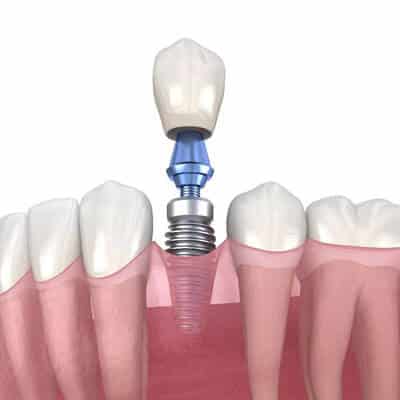
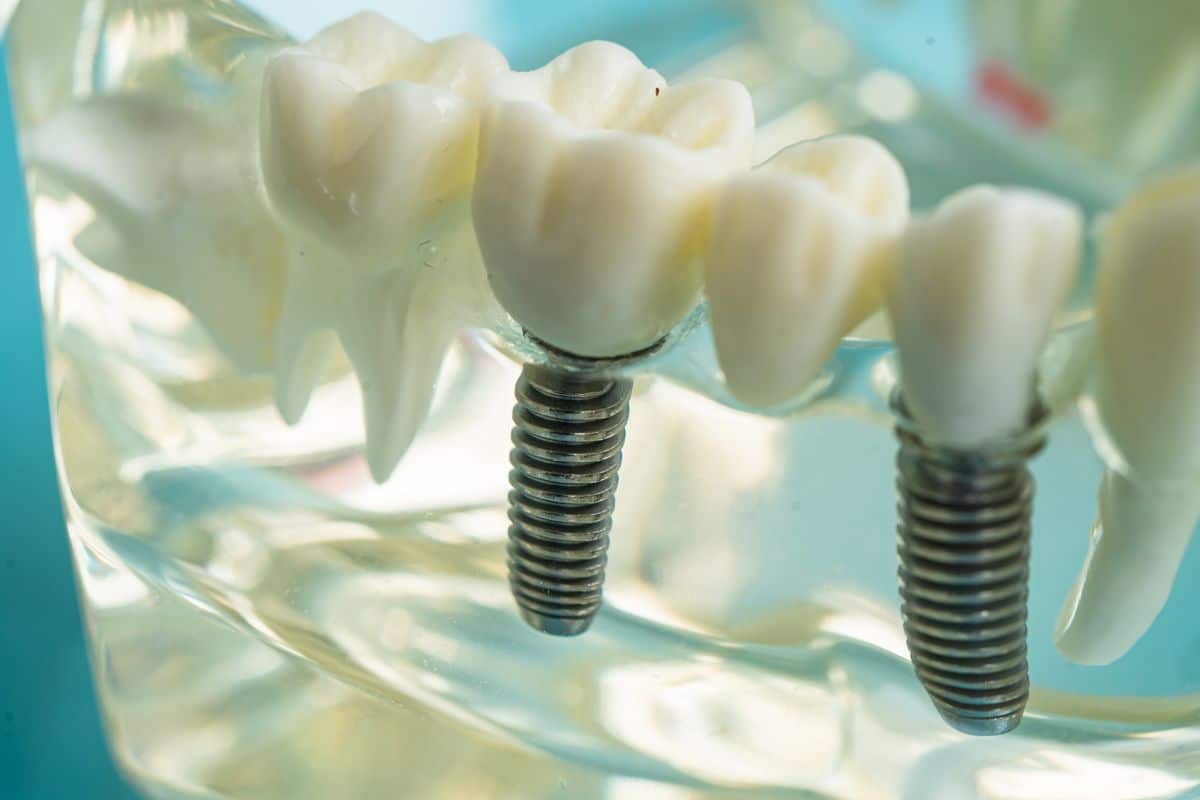
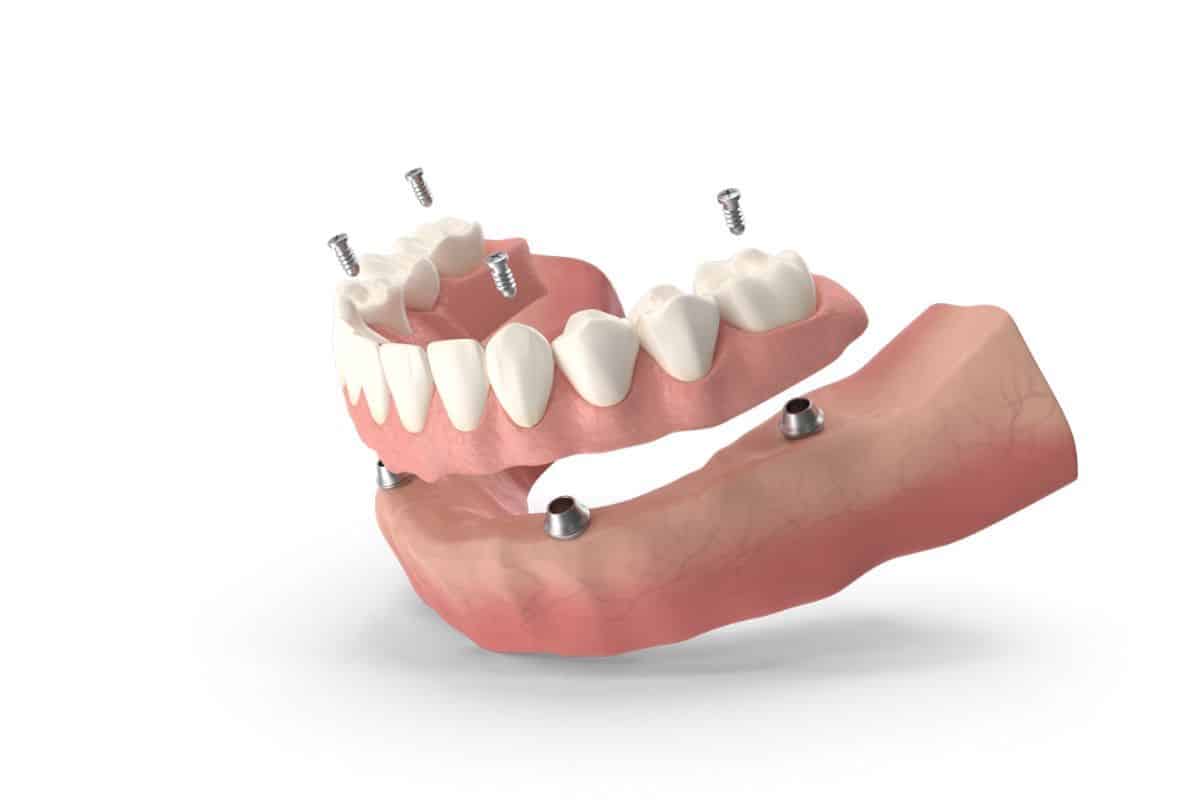
All-on-4 teeth implants involve placing four titanium posts into the jaw at strategic angles, allowing a full-arch prosthesis to be supported without the need for bone grafting in most cases. Because this is a surgical procedure, some swelling, tenderness, and minor bleeding are completely expected in the first 48 hours.
Here’s how to handle the early days well:
- Keep your head elevated, even while sleeping. Propping yourself up with an extra pillow reduces blood pooling and helps manage swelling.
- Apply ice packs to your face in 20-minute intervals during the first 24 hours. After that, switch to warm compresses to encourage circulation.
- Take prescribed medications on schedule, not just when pain spikes. Staying ahead of inflammation is far easier than managing it after it’s ramped up.
- Avoid rinsing or forcefully spitting on day one this can disrupt clot formation at the surgical sites.
What to Eat (And What to Skip)
Your temporary prosthesis is in place immediately after surgery, which means you’ll have teeth, but they’re not ready for normal use yet. During the healing phase, your diet directly affects how well the implants integrate with your bone.
Foods That Support Healing
Stick to soft, nutrient-dense options for the first several weeks. Think scrambled eggs, Greek yogurt, mashed sweet potatoes, smoothies, soft fish, and well-cooked vegetables. Your body needs protein to repair tissue and support bone healing.
What to Avoid
Hard, crunchy, chewy, or sticky foods put mechanical stress on the implants before osseointegration is complete. Avoid things like raw carrots, crusty bread, chips, gum, and anything that requires significant biting force. Alcohol and smoking are also off the table during recovery. Both impair blood flow and have been shown in research to significantly increase implant failure rates.
Residents in the Gallatin, TN area and surrounding communities can always reach out to Sumner Dental Group with specific dietary questions – recovery protocols may vary slightly based on your dental condition.
Oral Hygiene During Recovery: Gentle but Consistent
Keeping your mouth clean after implant surgery is non-negotiable, but the approach changes temporarily. You’re not scrubbing – you’re maintaining a clean, low-bacteria environment while tissue heals.
Use a soft-bristle toothbrush and brush gently around the prosthesis and gum line. Rinse with a prescribed antimicrobial mouthrinse or warm salt water after meals to keep the surgical sites clear. Water flossers on a low setting can help around the bridge once your provider clears you for them.
What you want to avoid is anything abrasive or harsh that irritates already-sensitive tissue. Check in with your care team at Sumner Dental Group before introducing any new hygiene products during the first few weeks.
Managing Swelling, Discomfort, and the Unexpected
Some degree of swelling typically peaks around day two or three before gradually subsiding. That’s normal physiology, not a sign that something is wrong. Bruising along the jaw or neck area can also appear and is usually nothing to worry about.
That said, there are signs that warrant a call to your dental provider:
- Swelling that gets significantly worse after day three rather than improving
- Fever above 101°F that doesn’t resolve
- Implant posts that feel loose or mobile
- Persistent numbness beyond the first few days
- Any unusual or foul taste that doesn’t clear with rinsing
These symptoms don’t necessarily mean a serious problem, but they should be evaluated promptly. The team at Sumner Dental Group is accessible for post-operative concerns – don’t wait and wonder if something feels off.
Long-Term Recovery: Months, Not Just Days
Full osseointegration usually takes three to six months, though most patients feel normal well before that. During this period, attending all scheduled follow-up appointments is critical. These visits allow your provider to monitor how the implants are integrating, check the fit of your prosthesis, and identify any adjustments needed before they become larger issues.
Your permanent prosthesis is usually placed after osseointegration is confirmed, and that’s when you experience the full result of your all-on-4 teeth implants procedure.
You’ve made a significant investment in your oral health and quality of life. The recovery phase is when that investment is either protected or undermined. Most complications after implant surgery are preventable with consistent follow-through on the basics: rest, diet, hygiene, and follow-up care.
If you’re preparing for surgery or in recovery and have questions, contact Sumner Dental Group in Gallatin, TN. Schedule your follow-up or consultation today – your long-term results depend on the care you take now.
People Also Ask
How long does it take to fully recover from All-on-4 surgery?
Most patients resume normal daily activities within a week. Full osseointegration – where implants fully bond with the jawbone takes three to six months. Your permanent prosthesis is typically placed after your dental provider confirms this process.
Can I sleep normally after All-on-4 surgery?
Sleep with your head elevated for the first few nights to minimize swelling. Avoid sleeping on your face or putting pressure on surgical areas. Most patients find a recliner or propped-up pillows comfortable during the early recovery phase.
Will I have teeth immediately after the procedure?
Yes. A temporary prosthesis is attached the same day as surgery, so you leave the office with a full set of functional teeth. This provisional arch is replaced with a permanent prosthesis once healing is complete.
What happens if an implant doesn’t integrate properly?
Failed osseointegration is uncommon but does happen. Signs include mobility, pain, or infection around the post. Your provider will assess and discuss options, which may include replacement. Early follow-up appointments help catch integration issues before they progress.
Is the recovery different for upper versus lower All-on-4 procedures?
Upper arch procedures often involve slightly more swelling due to the anatomy of the maxilla. Lower arch recovery tends to be a bit faster. Your provider will walk you through what to expect based on your specific surgical plan.
Recent Posts

Apr. 14, 2026
10 Common Foods That Can Cause Teeth Stains You Might Not Expect
Apr. 09, 2026
How Long Do All-On-4 Implants Last? Longevity and Maintenance Tips
Mar. 27, 2026
Are You a Candidate for All-On-4 Implants? Key Eligibility Factors
Mar. 13, 2026
Recovery Tips After All-On-4 Teeth in a Day Surgery
Feb. 16, 2026
Oral vs. IV Sedation: What’s the Difference and Which Is Right for You?
Catagories
- Bad Breath (1)
- Cosmetic Dentist (2)
- Dental Bonding (1)
- Dental Checkups (6)
- Dental Crown (1)
- Dental Fillings (1)
- Dental Implants (24)
- Dental Insurance (2)
- Dental Sealant (3)
- Dental Veneers (6)
- Dentures (7)
- Emergency Dentistry (9)
- Gum Disease (2)
- Invisalign (5)
- Mouthguard (3)
- New Year (1)
- Oral Health (13)
- Periodontal Treatment (2)
- root canal (4)
- Sedation Dentistry (2)
- Sumner Dental Group (6)
- teeth whitening (9)
- Tooth Extractions (10)
- Uncategorized (0)
- Wisdom Tooth Extraction (1)