
May 1, 2026
Dental Health
Dental Implants: A Complete Patient Guide
Dental Implants are one of the most effective solutions for replacing missing teeth. They look, feel, and function like natural teeth. Millions of people choose implants every year to restore their smiles. At Sumner Dental Group, our dental team wants you to have all the facts before making a decision.
Missing teeth affect more than your appearance. They can impact how you chew, speak, and even how your jawbone develops over time. Understanding your options is the first step toward better oral health. This guide explains everything you need to know about dental implants.
What Are Dental Implants?
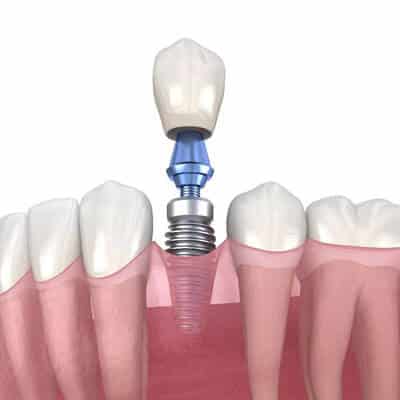
A dental implant is a small titanium post. It is surgically placed into the jawbone beneath the gum line. Over time, the post fuses with the bone in a process called osseointegration. This creates a strong, stable foundation for a replacement tooth.
Once the implant integrates with the bone, a connector piece called an abutment is attached. A custom-made crown is then placed on top. The result looks and functions just like a natural tooth. Most people cannot tell the difference between an implant and a real tooth.
Implants can replace a single tooth, multiple teeth, or even a full arch. They are a versatile solution for many types of tooth loss. Your dental team will assess your specific needs during a consultation.
Who Is a Good Candidate for Dental Implants?
Not everyone qualifies for dental implants right away. However, most healthy adults are good candidates. A thorough evaluation helps determine if implants are right for you. Your dental team will review your oral health, bone density, and medical history.
Good candidates generally share these characteristics:
- Have one or more missing teeth
- Have sufficient jawbone density to support an implant
- Have healthy gums free of active gum disease
- Do not smoke, or are willing to quit before treatment
- Are committed to good oral hygiene habits
- Are in generally good overall health
Some patients may need a bone graft before receiving an implant. This is common when bone loss has already occurred. A bone graft builds up the jawbone so it can properly support the implant post.
Teenagers whose jawbones are still developing are typically not candidates yet. Your dental team will advise you on the right timing for treatment. Every patient’s situation is unique.
The Dental Implant Process: Step by Step
The implant process takes place over several months. Each phase is important for long-term success. Here is a general overview of what to expect:
- Initial Consultation: Your dental team evaluates your teeth, gums, and bone structure. X-rays and 3D scans may be taken. A personalized treatment plan is created.
- Implant Placement: The titanium post is surgically inserted into the jawbone. Local anesthesia is used to keep you comfortable. Most patients report minimal discomfort during the procedure.
- Healing Period: The implant fuses with the bone over several months. This stage is called osseointegration. It is critical for implant stability.
- Abutment Placement: Once healing is complete, the abutment is attached. This small connector holds the final crown in place. A brief healing period follows.
- Crown Placement: A custom crown is designed to match your natural teeth. It is secured onto the abutment. Your smile is now restored.
The entire process can take anywhere from three to nine months. The timeline varies depending on individual healing and whether bone grafting is needed. Your dental team will keep you informed at every stage.
Benefits of Dental Implants Compared to Other Options
Dental implants offer several advantages over other tooth replacement options. They stand out from dentures and dental bridges in important ways. Understanding these benefits helps you make an informed decision.
- Durability: Implants are designed to last many years with proper care.
- Bone preservation: Implants stimulate the jawbone, preventing bone loss over time.
- Natural appearance: Custom crowns are matched to your existing teeth for a seamless look.
- Comfort: Implants feel like natural teeth and do not slip or shift.
- No impact on neighboring teeth: Unlike bridges, implants do not require altering healthy adjacent teeth.
- Easy maintenance: You care for implants just like natural teeth — brushing and flossing daily.
Traditional dentures can shift during eating or speaking. This can cause discomfort and embarrassment. Implants eliminate this problem entirely by anchoring directly to the bone.
Dental bridges are another alternative. However, they rely on neighboring teeth for support. This requires grinding down healthy tooth structure. Implants preserve the integrity of surrounding teeth.
Caring for Your Dental Implants
Proper care extends the life of your implants significantly. The good news is that maintenance is straightforward. You do not need special tools or complicated routines.
Brush your implant crown twice daily just like your natural teeth. Use a soft-bristled toothbrush to avoid scratching the surface. Floss around the implant carefully every day. This removes plaque and bacteria from the gum line.
Visit your dental team for regular checkups and cleanings. These appointments allow your team to monitor the implant’s condition. Early detection of any issues prevents more serious problems down the road.
Avoid chewing on very hard items like ice or hard candies. These habits can damage the crown. If you grind your teeth at night, talk to your dental team about a night guard. Protecting your implant helps it last as long as possible.
Conclusion
Dental implants are a proven, long-lasting solution for missing teeth. They restore function, appearance, and confidence. The process requires time and commitment, but the results are worth it. Our dental team at Sumner Dental Group is here to guide you every step of the way. We encourage you to explore all your options and ask questions during your visit. You can also learn more about our dental services to see how we support your overall oral health. If you are ready to take the next step, meet our team and discover the care you deserve. Learn More about how we can help you.
Frequently Asked Questions
How long do dental implants last?
With proper care and regular dental visits, dental implants can last many years — often a lifetime. The crown on top may need replacement after 10 to 15 years due to normal wear. Maintaining good oral hygiene significantly extends the life of your implant.
Is the dental implant procedure painful?
Most patients experience minimal discomfort during the procedure because local anesthesia is used. Some soreness and swelling are normal in the days following surgery. Over-the-counter pain relievers are usually enough to manage post-procedure discomfort.
How many teeth can dental implants replace?
Dental implants can replace a single tooth, several teeth, or an entire arch. Implant-supported bridges and full-arch restorations use a smaller number of implants to support multiple teeth. Your dental team will recommend the best approach based on your specific situation.
Can dental implants fail?
Implant failure is uncommon but can occur. Risk factors include smoking, uncontrolled diabetes, poor oral hygiene, and insufficient bone density. Following your dental team’s care instructions and attending regular checkups greatly reduces the risk of complications.
How soon after tooth loss can I get a dental implant?
The timing depends on your individual healing and bone health. Some patients can receive an implant shortly after tooth extraction. Others may need time for the extraction site to heal or may require a bone graft first. Your dental team will recommend the best timeline for your situation.
Recent Posts
May. 01, 2026
Dental Implants: What You Need to Know

Apr. 14, 2026
10 Common Foods That Can Cause Teeth Stains You Might Not Expect
Apr. 09, 2026
How Long Do All-On-4 Implants Last? Longevity and Maintenance Tips
Mar. 27, 2026
Are You a Candidate for All-On-4 Implants? Key Eligibility Factors
Mar. 13, 2026
Recovery Tips After All-On-4 Teeth in a Day Surgery
Catagories
- Bad Breath (1)
- Cosmetic Dentist (2)
- Dental Bonding (1)
- Dental Checkups (6)
- Dental Crown (1)
- Dental Fillings (1)
- Dental Health (1)
- Dental Implants (24)
- Dental Insurance (2)
- Dental Sealant (3)
- Dental Veneers (6)
- Dentures (7)
- Emergency Dentistry (9)
- Gum Disease (2)
- Invisalign (5)
- Mouthguard (3)
- New Year (1)
- Oral Health (13)
- Periodontal Treatment (2)
- root canal (4)
- Sedation Dentistry (2)
- Sumner Dental Group (6)
- teeth whitening (9)
- Tooth Extractions (10)
- Uncategorized (0)
- Wisdom Tooth Extraction (1)